
Back to News
Important
OperationsAmazon AWD launches in five European markets
Last Updated: September 14, 2026
Nova surfaces every Amazon fee, refund, and margin shift in your live P&L, across 23 marketplaces. View it in Nova
Nova surfaces every Amazon fee, refund, and margin shift in your live P&L, across 23 marketplaces. View it in Nova
Free for life
Nova MCP connects your account to Claude, ChatGPT, Gemini or any MCP-ready assistant. Sign up and it stays free for life on your account.
Connect your data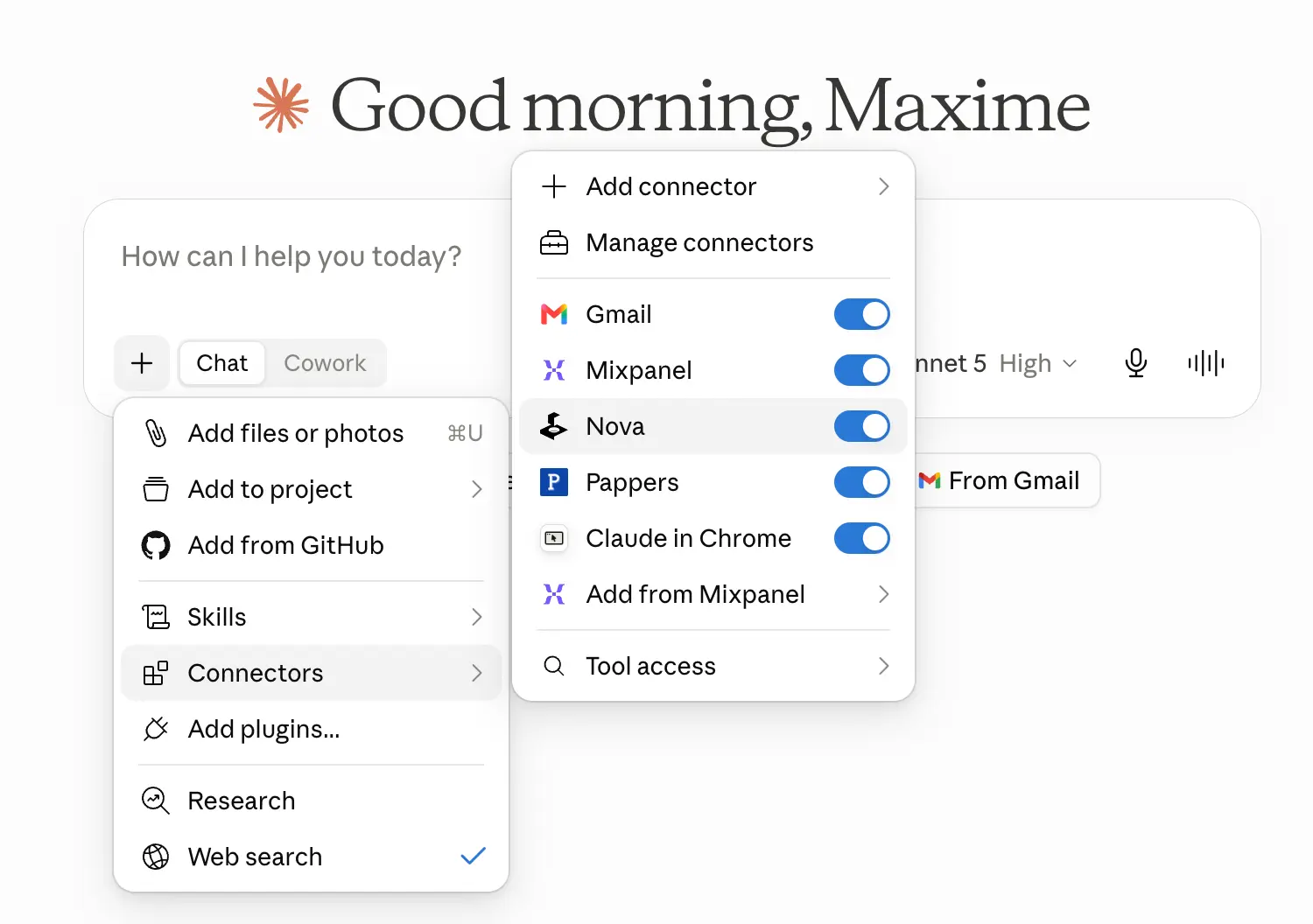
Free for life
Nova MCP connects your account to Claude, ChatGPT, Gemini or any MCP-ready assistant. Sign up and it stays free for life on your account.
Connect your dataAmazon Warehousing and Distribution goes live in Germany, France, Italy, Spain and the United Kingdom on August 20, 2026. AWD is bulk, long-term storage that sits upstream of FBA: sellers send large quantities into Amazon distribution centres, and Amazon moves units into fulfilment centres automatically as demand pulls them through (CEP Research, August 18, 2026).
Amazon told selling partners the service provides "flat-rate, long-term bulk storage in Amazon distribution centres with automated replenishment to Fulfilment by Amazon (FBA) fulfillment centres across Europe". On top of the storage fee, sellers pay for processing and for transportation into FBA (Ecommerce News Europe, August 17, 2026).
In the US, AWD mostly solves a capacity problem. In Europe it also solves a geography problem. A seller running the UK plus the four large euro-zone marketplaces has been choosing between shipping a container into one country and paying cross-border fulfilment on every order, or splitting the container five ways at the port and guessing the split months ahead.
A bulk layer that replenishes each FBA network on demand changes that decision. The guess moves from "how many units per country" to "how many units in total", which is a much easier forecast to get right.
AWD is not free storage. It is a second storage layer, and every unit that passes through it picks up a storage charge, a processing charge and a transportation charge before it ever reaches an FBA fulfilment centre. That cost belongs in landed cost per unit, not in a general overhead bucket.
The trade-off is real and it is measurable. AWD adds cost per unit, and it removes cost elsewhere: fewer FBA long-term storage surcharges, fewer aged-inventory penalties, fewer stockouts on the marketplaces you under-allocated, and less cross-border fulfilment on orders that used to ship from another country.
If you cannot see those two sides on the same SKU, you cannot tell whether AWD is helping. Sellers who moved to AWD in the US and never split the fee out ended up arguing about it from feel rather than from numbers.
 Claude
 Gemini
 ChatGPT