
Nova surfaces every Amazon fee, refund, and margin shift in your live P&L, across 23 marketplaces. View it in Nova
Nova surfaces every Amazon fee, refund, and margin shift in your live P&L, across 23 marketplaces. View it in Nova
Free for life
Nova MCP connects your account to Claude, ChatGPT, Gemini or any MCP-ready assistant. Sign up and it stays free for life on your account.
Connect your data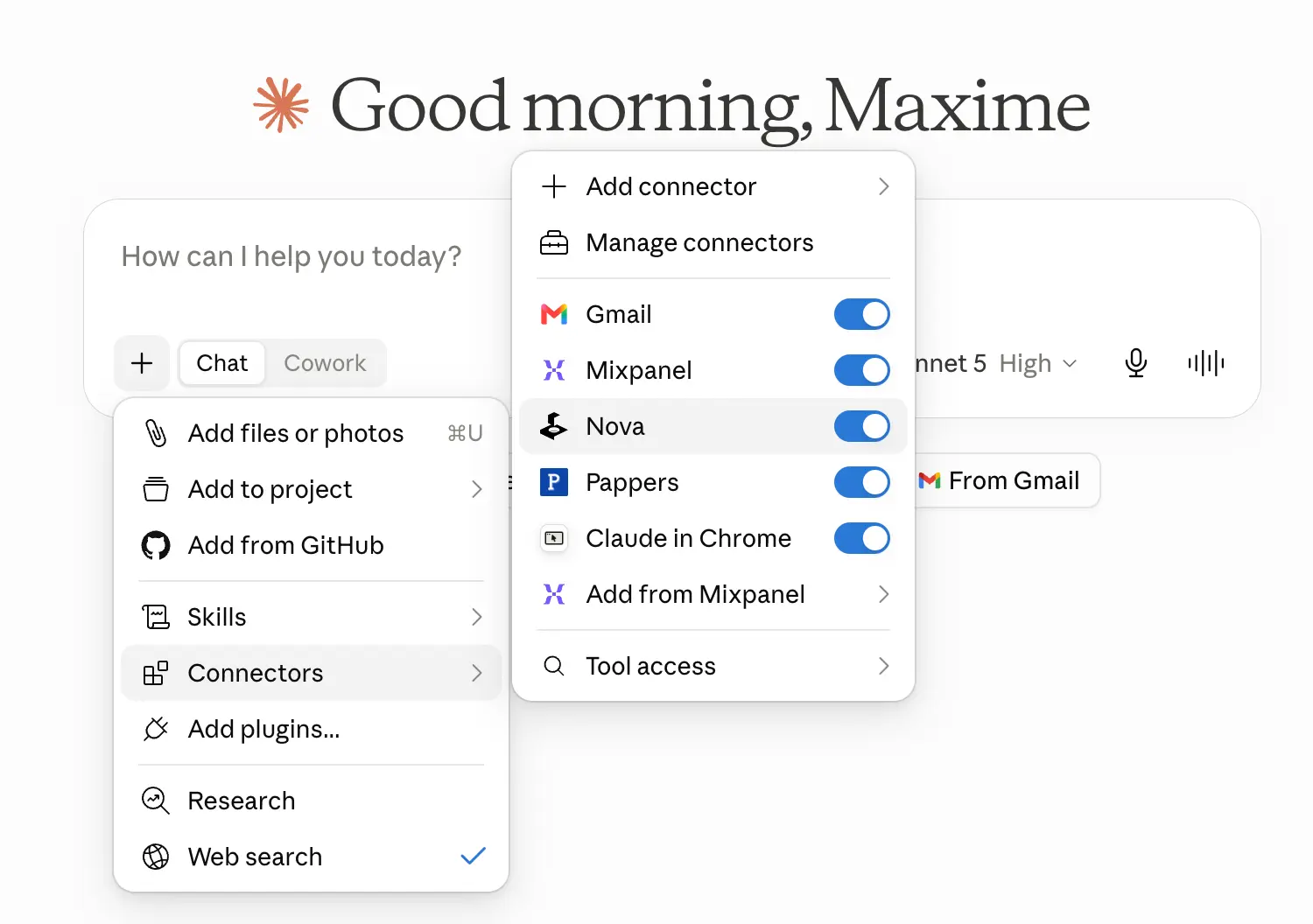
Free for life
Nova MCP connects your account to Claude, ChatGPT, Gemini or any MCP-ready assistant. Sign up and it stays free for life on your account.
Connect your dataA rule that used to start at $10,000 a month is about to start at the first unit. From November 2, sellers with products in Amazon's enhanced safety listing categories need $1 million of commercial liability cover whatever their sales volume, including on listings created years ago and barely selling today.
Amazon is adding two insurance requirements that take effect on November 2, 2026. The first removes the sales threshold for products in categories that carry enhanced safety listing requirements. Until now, a policy was only required within 30 days of exceeding $10,000 in gross proceeds in a single month. After November 2, products in those categories need cover from the first sale (Amazon commercial liability insurance requirements).
The second requirement is narrower. Sellers based in Mainland China must obtain newly submitted policies through the Amazon Insurance Accelerator, Amazon's network of vetted insurers. A valid third-party policy submitted before November 2 stays usable until it expires, after which the Accelerator becomes the only route. Sellers everywhere else keep the choice of insurer (EcomCrew, September 6).
Amazon's own examples name children's products, cosmetic and ingestible products and lithium battery products. Trade coverage puts the full list at 11 categories, including supplements, small kitchen appliances, mattresses and tires (Cifnews, September 7). Read the list against your own catalogue rather than assuming your products sit outside it.
For a seller doing serious volume in supplements or toys, nothing changes. The policy already exists. The change lands on the long tail: the operator with three supplement ASINs inside a wider catalogue, the brand that kept a discontinued children's product listed, the private label seller testing a small appliance. Those listings never crossed the threshold, so they never triggered a policy, and now they can pull the whole account into the requirement.
The cost is the awkward part, because it does not behave like a fee. A fulfilment fee scales with units. A premium does not. It is a fixed annual amount that sits on the same handful of low volume ASINs whether they sell 200 units or 20,000, which means the per-unit weight of it is highest exactly where the requirement bites hardest.
Say four supplement ASINs sell 1,800 units a year between them at an average contribution of $4.10 a unit, which is $7,380. A $1,400 premium is 19% of that contribution, so those ASINs go from comfortably positive to marginal on one line item that never appears in a settlement report. Run the same division on your own numbers before assuming the tail pays for itself.
Insurance is a fixed cost, not a marketplace fee, so it never shows up in Amazon's own reporting. Nova lets you add it as a cost input and see it land per unit next to fulfilment, referral and advertising costs. See Nova Profit & Loss and the COGS tracker.
 Claude
 Gemini
 ChatGPT